Unlocking the Potential of SEO: A Guide to Boosting Online Visibility
November 29, 2023
In the increasingly digital landscape of business, it's critical to make your online presence felt. This is where
tourism SEO services
come into play. Particularly for businesses in Tampa, leveraging SEO can significantly enhance online visibility, driving more traffic to your website, and ultimately, increasing sales. Let's delve into how such services can revolutionize your online presence.
What is SEO?: Overview of the Basics
Search Engine Optimization (SEO) is a key facet of digital marketing. The goal of SEO is to rank your website as high as possible in search results related to your industry or service. A robust SEO strategy is often implemented by a digital marketing firm in Tampa or elsewhere. Here are some key services provided by such a firm:
- Keyword Research : Identifying and incorporating relevant keywords into your website's content to improve search engine ranking.
- On-Page SEO : Optimizing individual web pages on your site to rank higher and earn more relevant traffic.
- Off-Page SEO : Strategies to improve your website's position in search engine results through activities not directly linked to your site, like backlinking from other websites.
- Local SEO : Specific strategies to appear in local search results, crucial for businesses operating in particular geographic locations like Tampa.
- Website Audit : Evaluating your website for its ability to appear in search engine results pages.
- Analytics and Reporting : Tracking and analyzing SEO performance to refine strategies and ensure optimal results.
Conducting Keyword Research to Optimize Your Content
Effective keyword research is not just about identifying popular terms with high search volume. It requires a strategic approach that considers several key factors:
By considering these factors, you can formulate a strong keyword strategy that enhances your SEO efforts and increases your online visibility.
- Relevance : Choose keywords that are directly related to your product, service, or content. This ensures that the traffic directed to your site is made up of individuals genuinely interested in what you have to offer.
- Search Volume : While relevance is crucial, it also makes sense to target keywords that are frequently searched for. Using SEO tools, you can identify high-volume keywords related to your business.
- Competition : Keywords popular with a broad audience are often highly competitive. Thus, it might be challenging to rank highly for them. Instead, consider long-tail keywords, which are less competitive but can still drive significant traffic.
- Intent : Understand the user's intent behind the keyword. Are they looking to make a purchase, seeking information, or looking for a particular website? Align your content accordingly.
- Trends : Keep an eye on evolving trends. Keywords can change rapidly, so it's important to stay up-to-date and adapt your strategy as necessary.
By considering these factors, you can formulate a strong keyword strategy that enhances your SEO efforts and increases your online visibility.
Crafting Metadata That Helps Search Engines Find You
- Title Tag : The title tag is the most prominent element that appears in search results and browser tabs. It should be unique for each page and include your primary keyword ideally at the beginning.
- Meta Description : This is a brief summary of your page content that appears under the title in search results. It should be compelling and include your main keyword.
- Header Tags : Header tags (H1, H2, H3, etc.) structure your content and signal to search engines the hierarchy of your page's information.
- Alt Text for Images : This describes the content of your images to search engines and helps with image SEO.
- URL Structure : A well-structured URL is easy to read and includes your main keyword. It helps both search engines and users understand what the page is about.
- Internal Links : Internal links connect your content and give search engines an idea of the structure of your website. They can establish a hierarchy on your site, allowing you to give the most important pages more link value than lesser ones.
- External Links : Linking to authoritative, relevant sources helps increase the credibility of your content, improves your SEO, and offers value to your readers.
Creating Quality Content that Engages and Connects with Audiences
Creating high-quality content is crucial for engaging and connecting with your audience, and it can significantly enhance your SEO efforts. Your content should be:
- Informative and Relevant : Ensure that your content provides valuable information that relates to your business and the interests of your target audience.
- Engaging : Keep your audience's attention by presenting information in an engaging manner, using a friendly and conversational tone, visuals, and interactive elements when possible.
- Regularly Updated : Keep your website fresh and relevant by regularly updating your content based on new information, trends, or customer feedback.
- Well-Structured : Use subheadings, bullet points, and short paragraphs to make your content easy to read and skim.
- SEO-Optimized : Make sure to incorporate SEO strategies in your content creation, including keyword optimization, metadata, and linking strategies.
- Shareable : Create content that your audience will want to share on their social media platforms, which can help increase your online visibility and reach.
- Call to Action : Always include a clear call to action, guiding visitors to take a specific next step, whether it's making a purchase, signing up for your newsletter, or contacting your business for more information.
Implementing Structured Data to Increase Visibility
Structured data is code added to your website's pages that helps search engines better understand the content. It can also enhance your search results through the addition of rich snippets.
- Types of Structured Data : There are several types of structured data, including Schema.org, Open Graph, and Twitter Cards. Schema.org is the most commonly used and is supported by major search engines like Google, Bing, and Yahoo.
- Benefits of Structured Data : Adding structured data to your site can increase visibility on search engine results pages (SERPs), improve click-through rates, and enhance user engagement. It can also help search engines understand your content better.
- How to Implement Structured Data : Implementing structured data involves adding structured data tags to your website's HTML. These tags provide search engines with specific information about your page's content, like a product's price, a book's author, or a company's contact information.
- Structured Data Testing : After implementation, it's crucial to test your structured data to ensure it's working correctly. Tools like Google's Structured Data Testing Tool can help you check your markup and identify any errors.
- Monitoring Structured Data : Keep an eye on your structured data's performance using tools like Google Search Console, which can provide insights into how your structured data is impacting your SEO efforts and help you identify areas for improvement.
About Us
At
Meridian Pursuit
, we don't just provide services to our clients, we work with them! When you choose us for your precious business, we offer you a partnership. We have a team of experienced and trusted
affordable full-service digital marketing agency
to help you with the things you feel hesitant or unsure about. We understand the true power of storytelling and how a great brand story can differentiate your business from the hundreds of others around.
Ready to take the next step on your storytelling journey? Contact us at 813.693.1910 or write to info@meridianpursuit.com. We look forward to hearing from you!
Ready to take the next step on your storytelling journey? Contact us at 813.693.1910 or write to info@meridianpursuit.com. We look forward to hearing from you!
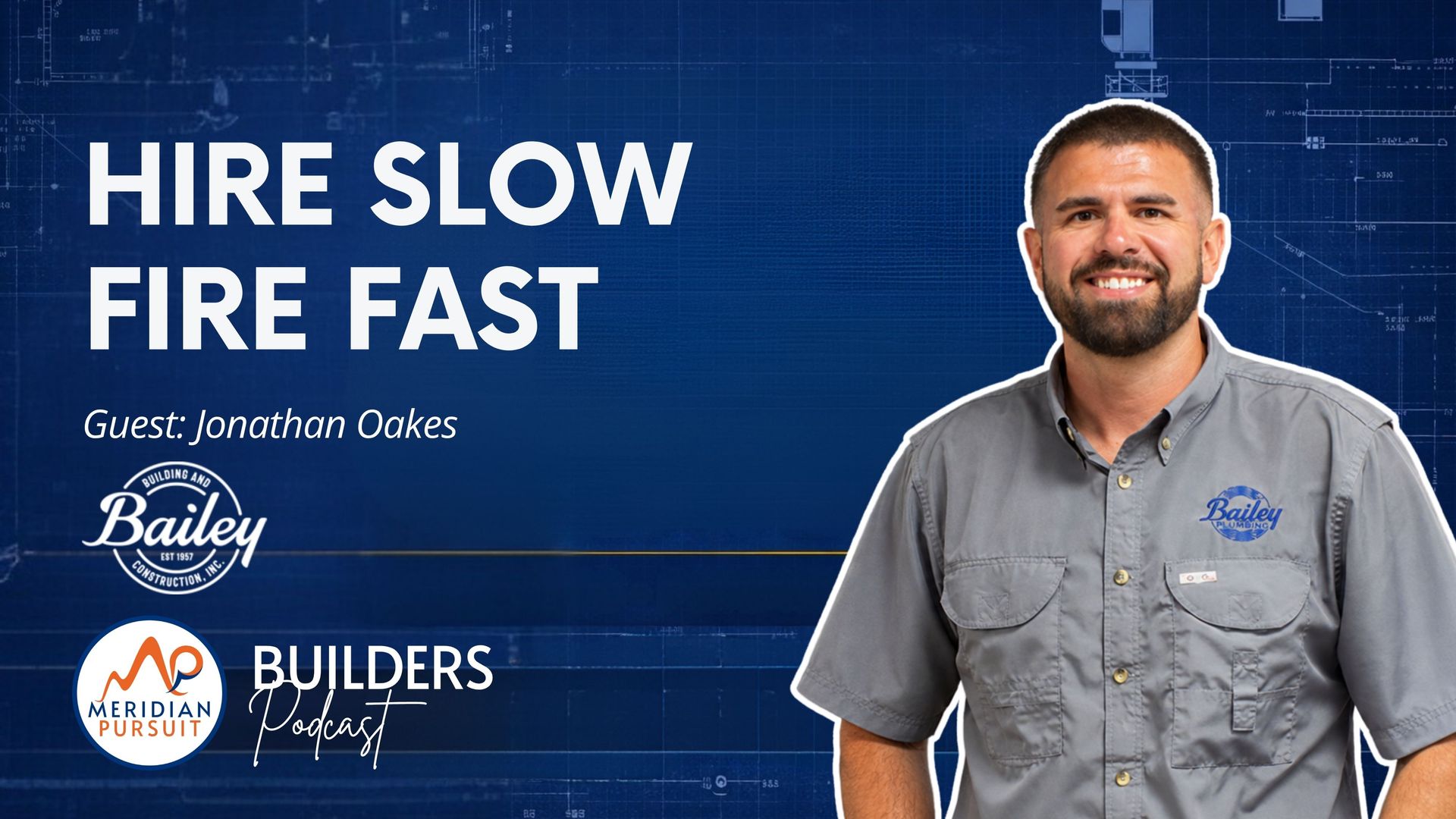
Growing a construction company sounds exciting from the outside. More projects, more revenue, and a larger team often appear to be signs of success. But as Jonathan Oakes explains in this episode of the Meridian Pursuit Builder Podcast, growth can expose weaknesses that were previously hidden. Jonathan is the owner of Bailey Building and Construction, Inc. in Ocala, Florida. During his conversation with Jesse Sampley, he shares lessons learned from growing a third generation construction company, managing people, improving systems, and building a stronger foundation for the future.
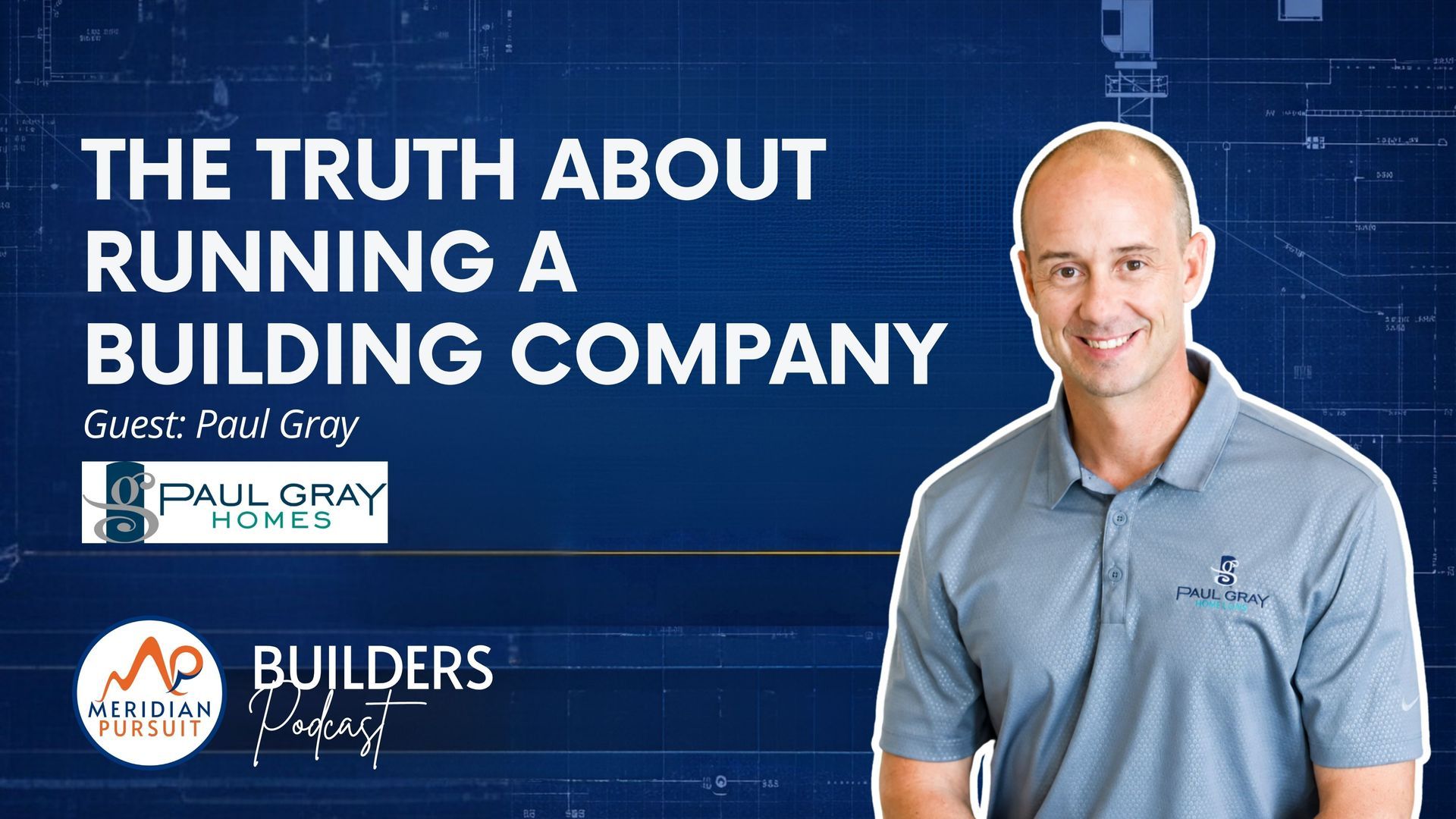
When people look at a successful construction company, they often focus on the finished projects. They see beautiful homes, growing businesses, and satisfied clients. What they do not always see are the systems, standards, and relationships that make those results possible. In this episode, Paul Gray shares lessons learned through years of experience in construction, business ownership, leadership, technology adoption, and mentorship. Throughout the conversation, one message becomes clear: great builders are not defined by what they build. They are defined by how they operate.
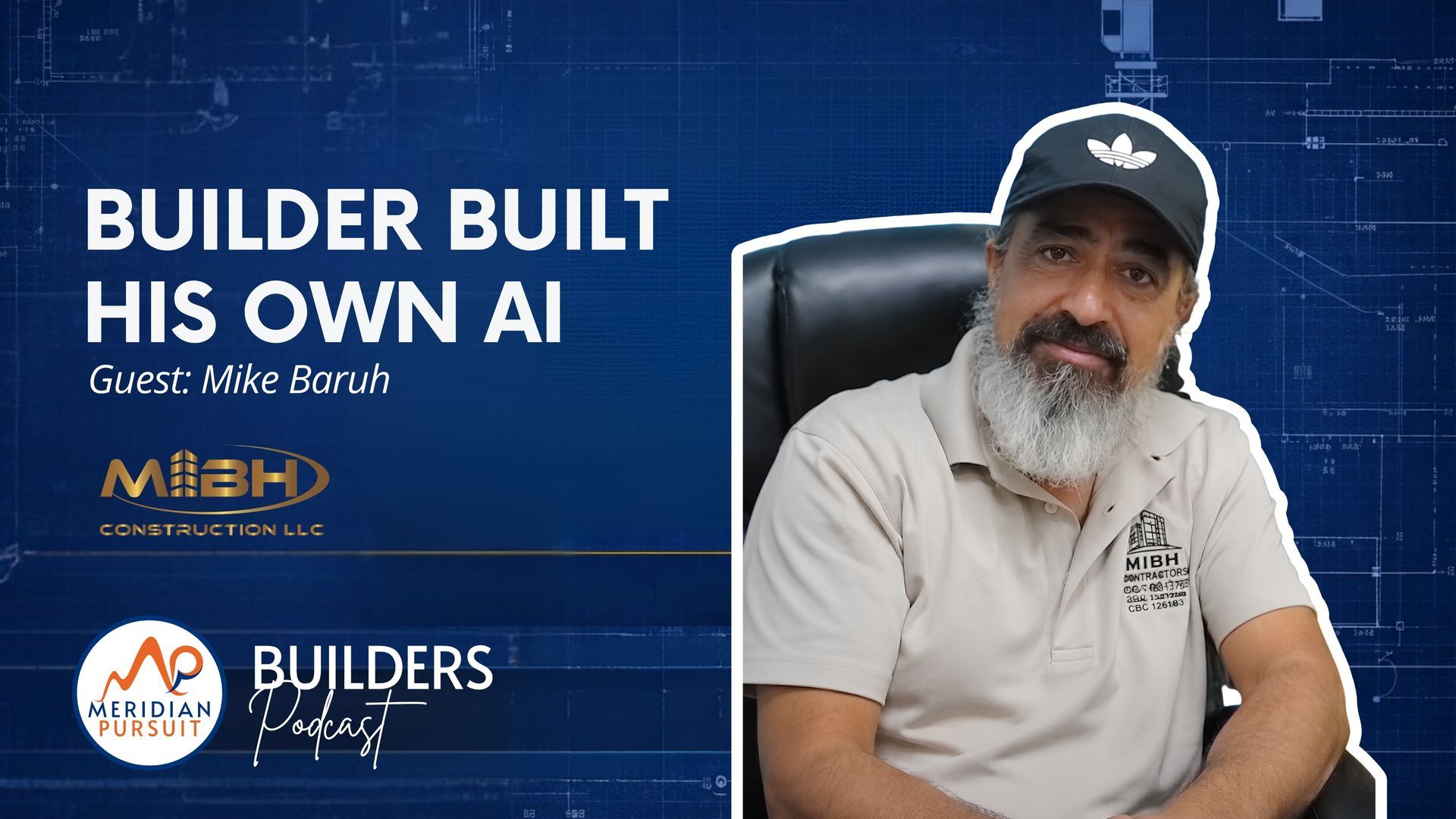
Construction companies are constantly looking for ways to improve efficiency, strengthen communication, and create a better experience for clients. While many builders rely on software platforms to help manage projects, Mike Baruh took a different approach. Instead of adapting his business to fit existing software, he built software around the way his company operates. In a recent episode of the Meridian Pursuit Builder Podcast, Mike Baruh, owner of MIBH Construction, joined Jesse Sampley to discuss his journey from struggling investor to luxury home builder, commercial roofing contractor, and technology-driven business owner. The conversation explored business growth, marketing, partnerships, construction operations, and the role artificial intelligence is beginning to play in the industry.
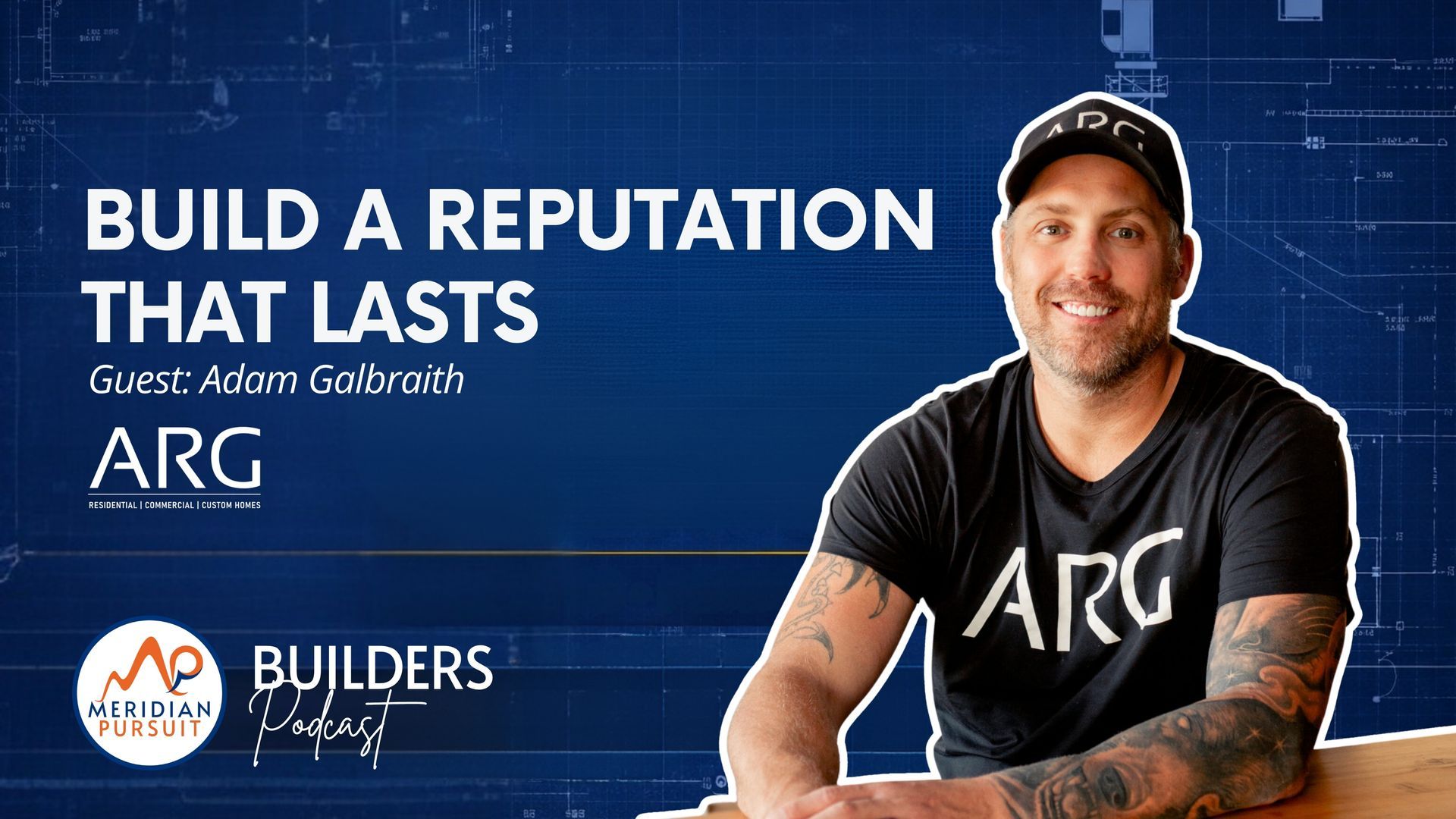
A construction company can grow because of a great project, a strong referral, or a successful marketing campaign. But keeping that growth going requires something deeper: a reputation people trust. For Adam Galbraith, owner of ARG Contracting in Kelowna, British Columbia, reputation, transparency, relationships, and adaptability have shaped the company from its early renovation work into a business serving residential and commercial clients. In a recent Meridian Pursuit Builder Podcast conversation with Jesse Sampley, Adam shared the lessons behind that growth, including why he is willing to lose money to do the right thing, how ARG uses transparency to build client trust, why social media became an important marketing tool, and how the company is adapting to a changing construction market.
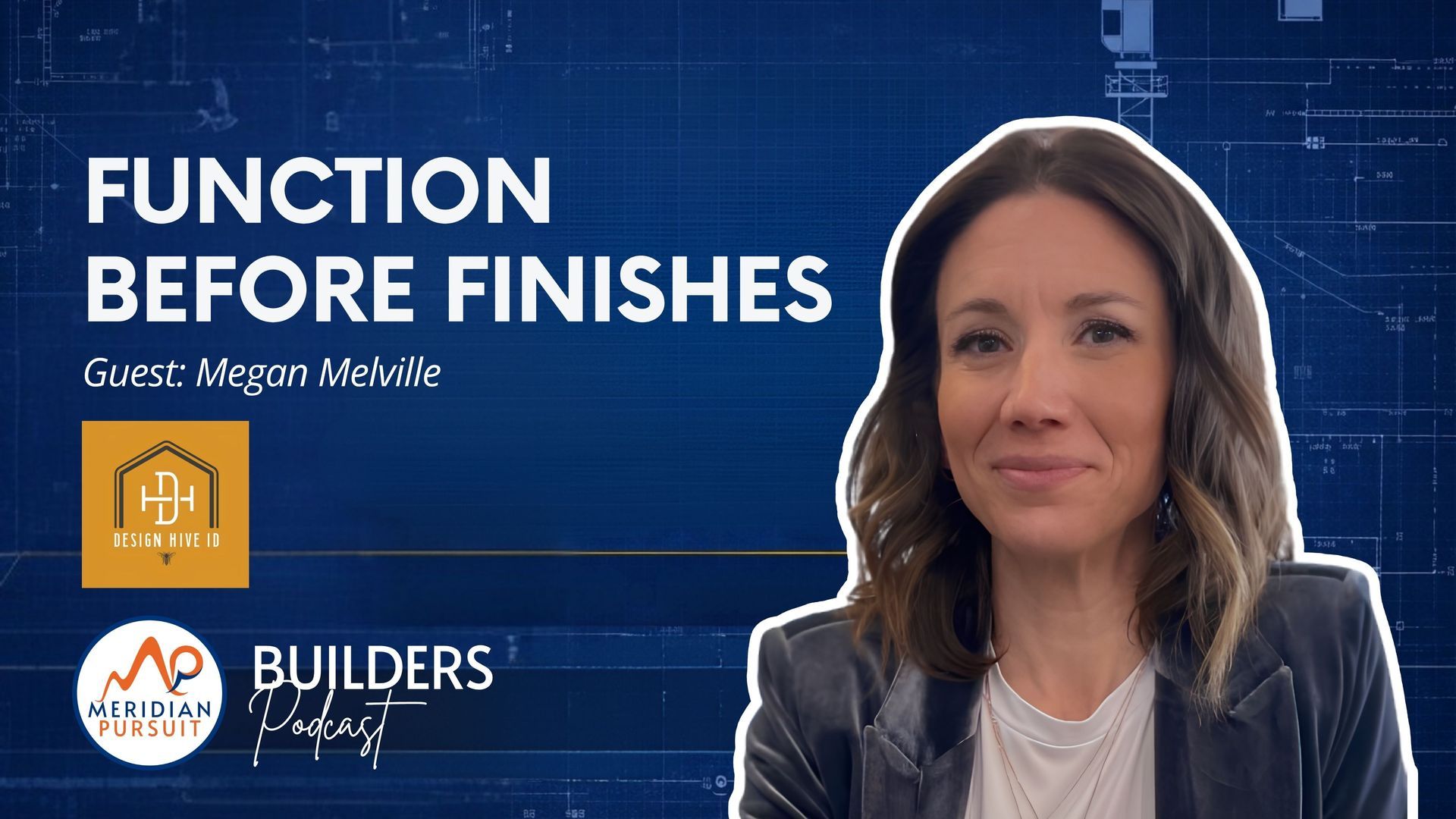
A custom home can look incredible on paper and still become difficult to build if the right design decisions aren't made at the right time. For builders, the challenge isn't simply creating a beautiful space. It's making sure the home functions for the people who will live there while staying aligned with the schedule, budget, and realities of construction. That was one of the central themes in a recent Meridian Pursuit Builder Podcast conversation between Jesse Sampley and Megan Melville of Design Hive ID. Their discussion covered everything from residential design systems and builder-designer relationships to client expectations, functionality, budgets, trends, and what it really means to create a home that works.

For many builders, selling homes has always followed the same formula: build the home, partner with an outside real estate agent, pay the commission, and move on to the next project. But what if there was another option? On a recent episode of the Meridian Pursuit Builders Podcast, host Jesse Sampley sat down with Adam Field and Jennifer Johnson of Behind the Scenes Broker to discuss a business model that allows qualifying builders to operate under their own real estate brokerage. The conversation wasn't about replacing great real estate professionals, it was about giving builders another way to strengthen their business, improve profitability, and gain more control over their brand.

For builders, every successful project begins long before construction starts. Blueprints are reviewed, layouts are refined, and countless decisions are made before the first foundation is poured. Yet even with detailed plans and modern renderings, many homeowners still struggle to visualize how their future home will actually feel once it's built. On a recent episode of the Meridian Pursuit Builders Podcast, host Jesse Sampley sat down with Joe Matejka, Founder and President of Walk Your Plans, to discuss how immersive visualization technology is helping builders, architects, designers, and homeowners make better decisions before construction begins. What started as one frustrating building experience has grown into an innovative company that's helping reshape the planning process for residential and commercial construction alike.
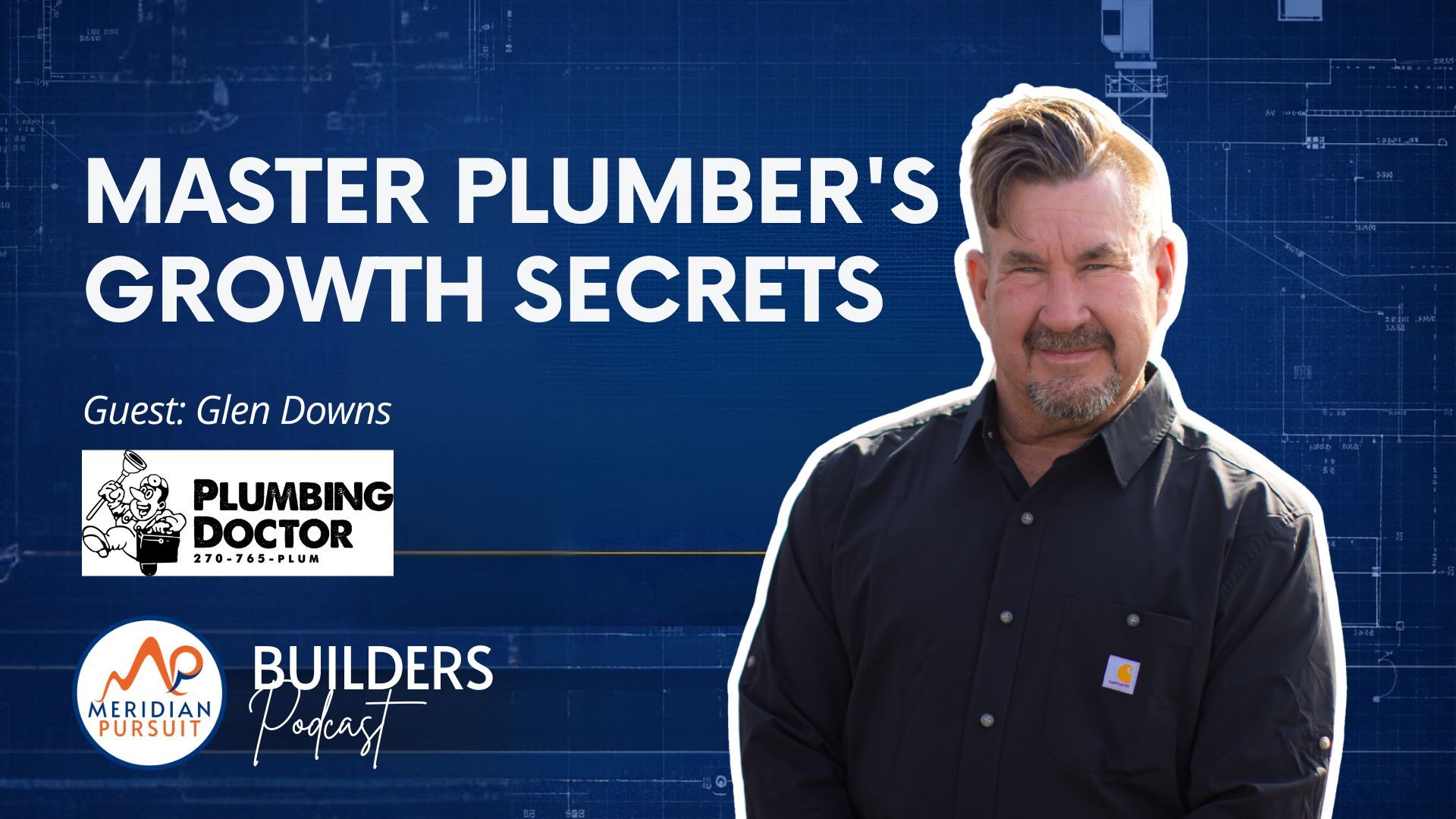
Learn how Glen Downs built Plumbing Doctor into a trusted local business in Elizabethtown, KY, through exceptional customer service and strong company culture.

Learn how Nick Riley acquired a 20-year-old roofing company and uses community involvement, education, and reputation to drive sustainable business growth.

Learn how custom home builders can compete with big box builders, improve communication, use social media to sell more homes, and build lasting trust in this expert guide.
